How to Choose the Right Steel Balls : Materials, Grades, and Factors
Selecting the appropriate steel balls for your industrial application is crucial for ensuring optimal performance, longevity, and cost-efficiency. Whether you're in aerospace, automotive, bearings, or renewable energy sectors, the right choice can prevent failures, reduce maintenance, and enhance system reliability. At Tolia Group, a trusted manufacturer of precision steel balls since 1979, we specialize in high-quality chrome and stainless steel balls tailored to demanding environments.
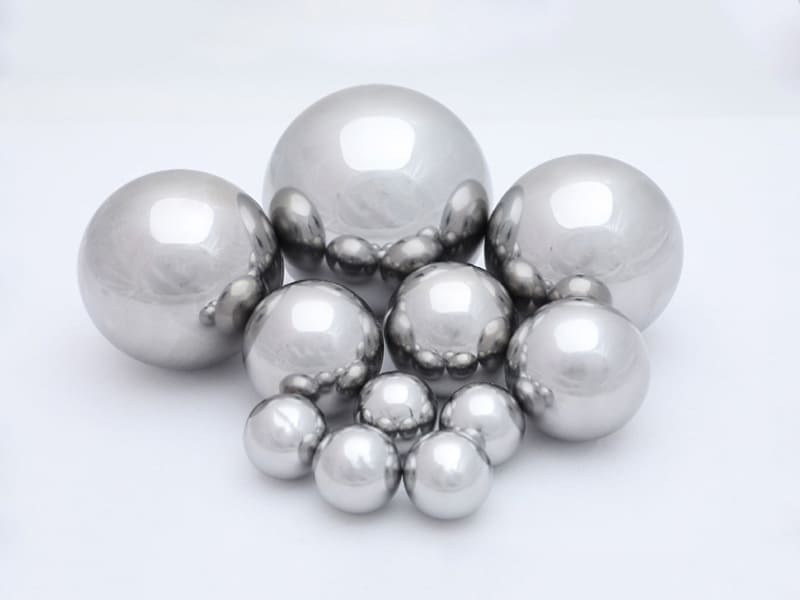
In this comprehensive guide, we'll break down the key elements-materials, grades, and influencing factors-to help you make an informed decision.
Chrome Steel (AISI 52100/100Cr6)Chrome steel is widely used for its high hardness (typically 60-66 HRC) and excellent wear resistance, making it ideal for bearings, valves, and high-load applications. It provides great dimensional stability and surface finish but has moderate corrosion resistance, so it's best for dry or mildly corrosive environments. At Tolia, our chrome steel balls are 100% ECT and EOT tested for superior quality.
Stainless Steel SeriesStainless steel balls excel in corrosive settings due to their chromium content. They are divided into austenitic (300 series) and martensitic (400 series) :
300 Series (e.g., SS 304L, 316L): Non-magnetic with excellent corrosion resistance, formability, and weldability. SS 304 offers good resistance to food acids and water, while SS 316 provides superior protection against chemicals and marine environments. Hardness ranges from 25-39 HRC, suitable for food processing, medical devices, and chemical valves.
400 Series (e.g., SS 420, 430L, 440C): Magnetic and heat-treatable for higher hardness (up to 58-65 HRC) and wear resistance. SS 440C is perfect for precision bearings in abrasive conditions, though corrosion resistance is lower than the 300 series.
Carbon Steel and Tool SteelCarbon steel is cost-effective and durable for low-precision uses like furniture or welding, but it lacks corrosion resistance. Tool steel (e.g., AISI S2) offers high abrasion resistance and shape retention at elevated temperatures, ideal for high-temperature bearings or tools.
Steel balls are manufactured in different grades, which define precision and tolerance.
- Grade 10-25 : Ultra precision balls used in aerospace and medical industries.
- Grade 100-200 : Standard precision for automotive bearings and industrial machinery.
- Grade 500-1000 : General purpose, lower precision, used in non critical applications.
Rule of Thumb : Lower grade number = higher precision.
Key Factors to Consider When Choosing Steel BallsApplication Environment
- Corrosive or humid → Stainless steel.
- Heavy load and wear → Bearing steel.
- Extreme stress → Tool steel.
Load Capacity & Speed
- High speed bearings require ultra precision balls.
- Heavy machinery needs balls with high hardness and fatigue resistance.
Compliance & Safety
- Food and pharma industries require FDA/ISO certified stainless steel balls.
- Aerospace and medical devices demand Grade 10-25 precision.
Cost vs. Performance
- Bearing steel is cost effective for general use.
- Stainless steel is slightly more expensive but essential for hygiene and corrosion resistance.
With decades of experience, Tolia Steel Balls manufactures and exports precision balls across industries. By offering a wide range of materials (bearing steel, stainless steel, alloy steel) and grades, combined with advanced ECT & EOT testing, Tolia ensures every ball meets strict quality assurance standards.